Pregnancy · Birth Preparation · Breech Baby
At my 34-week checkup with my gynae on a Tuesday, my baby boy was head down, right where he was supposed to be. He had been chilling in that position for weeks, and mentally, it was one worry less with regards to birth.
Then came Friday. I went back for a routine check as I had my first appointment with the hospital where I was going to deliver, and we went over my dossier and they did an ultrasound. That was when the doctor informed me he had flipped breech. I couldn’t believe it, I mean 3 days ago he was still heads down.
When I heard the news, my brain immediately hit the panic button.
My first birth was natural but complicated. I had to be induced at 41 weeks and 5 days, needed a vacuum delivery, lost a lot of blood and had to have my placenta surgically removed. So this time my hope was simple: a spontaneous natural birth, and nothing that ends in an emergency. I am really not keen on a C-section, and I know breech delivery is possible, but that stressed me out too as that could end in an emergency C-section which in my mind was even worse. My sleep, already bad at that stage, got worse. I had lingering headaches, I was in a bad mood, and I am fairly sure I was not delightful to live with. I also found it harder to breathe while he was breech, though I can not say for certain that was the cause.
The ECV question
When we found out he was breech, the recommendation was to come back the following week, and if he was still breech, they would offer an external cephalic version (ECV), where the doctor tries to turn the baby by hand through the belly. They suggested the end of week 35 because there is still lots of space for him to move, as they usually do this during week 36 to 37 at my hospital.
Once home I immediately fell down an internet research rabbit hole. The more I read, the more anxious I became.
An ECV can be quite uncomfortable, it is not guaranteed to work, and it is performed with an operating theatre on standby in case the baby gets distressed and requires an immediate C-section. While I was thoroughly fed up with being pregnant and ready to meet him, an unexpected delivery at 36 weeks was not something I was open to. It felt like a high stress scenario for both of us, with zero guarantees.
ECV is a completely valid option, and plenty of mothers have great experiences with it. But at that point, it just did not feel right for me.
My “turn the baby” week
For all of week 35, I did a routine twice a day:
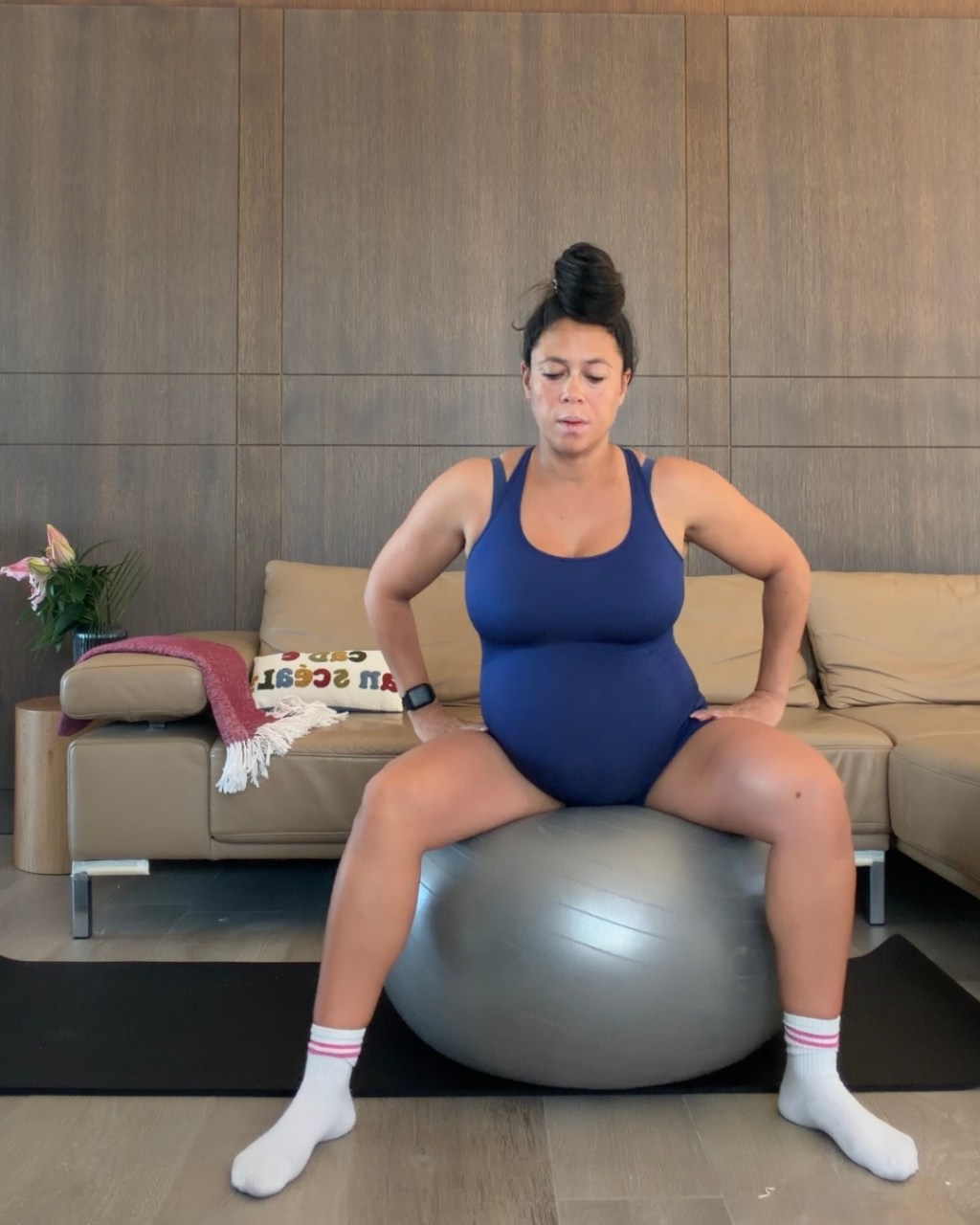
- Hip circles on the birth ball
- Cat cow
- Bridges
- Child’s pose rock-backs
- Psoas release lunges
- Forward-leaning inversion
- Breech tilt
- Open knee chest position
It was neither glamorous nor graceful. It involved an unreasonable amount of time spent hanging upside down off the couch.
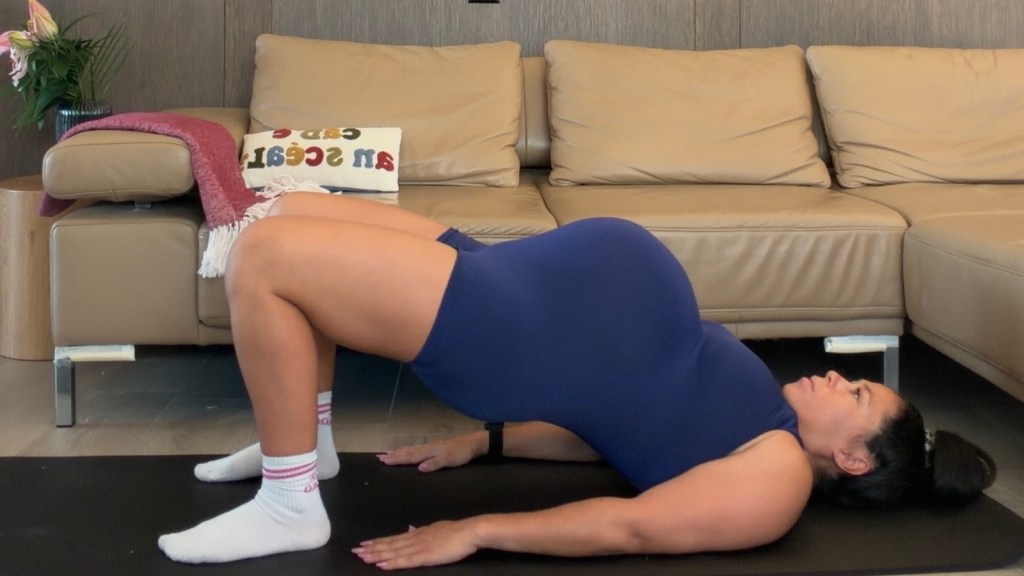
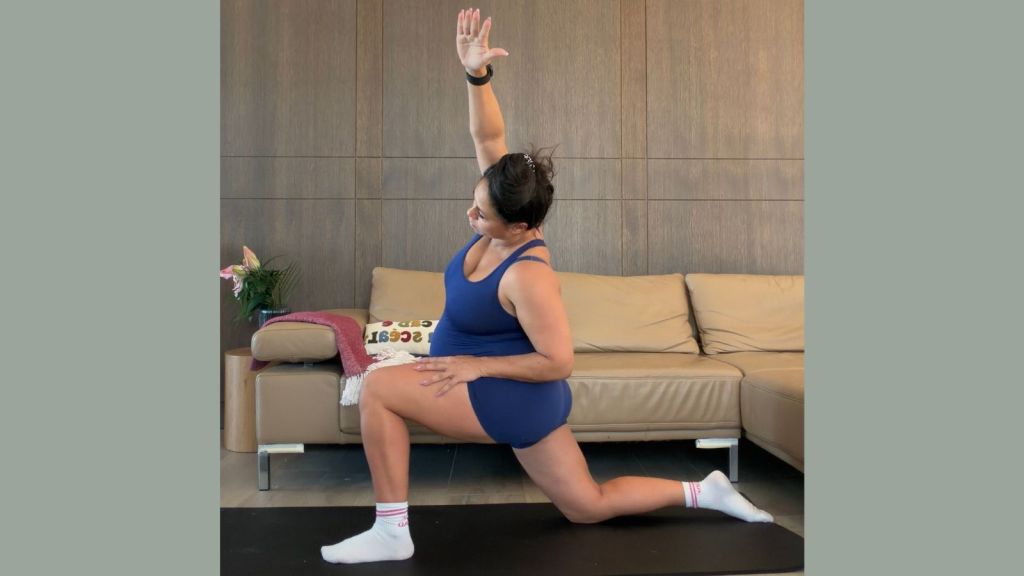
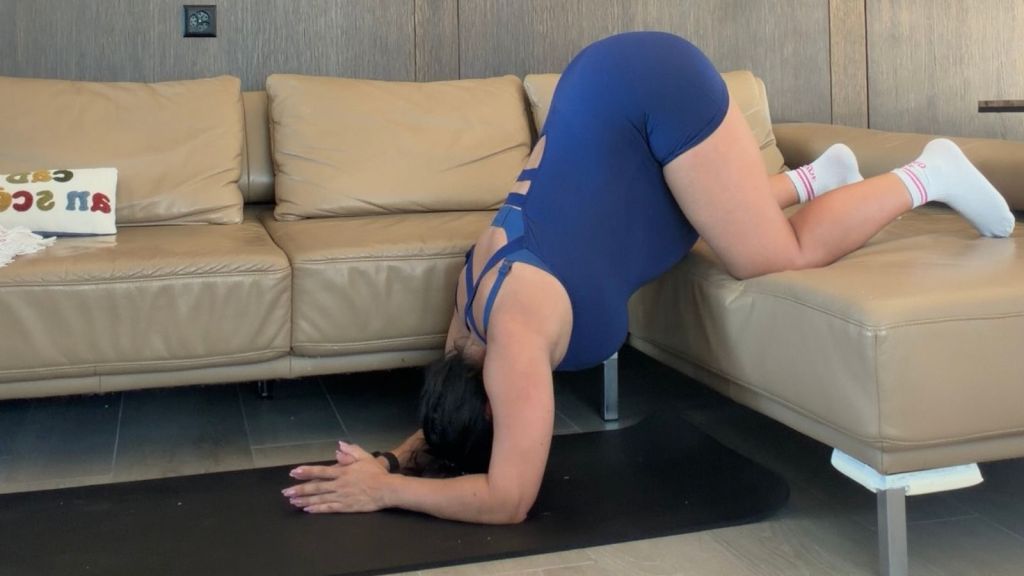
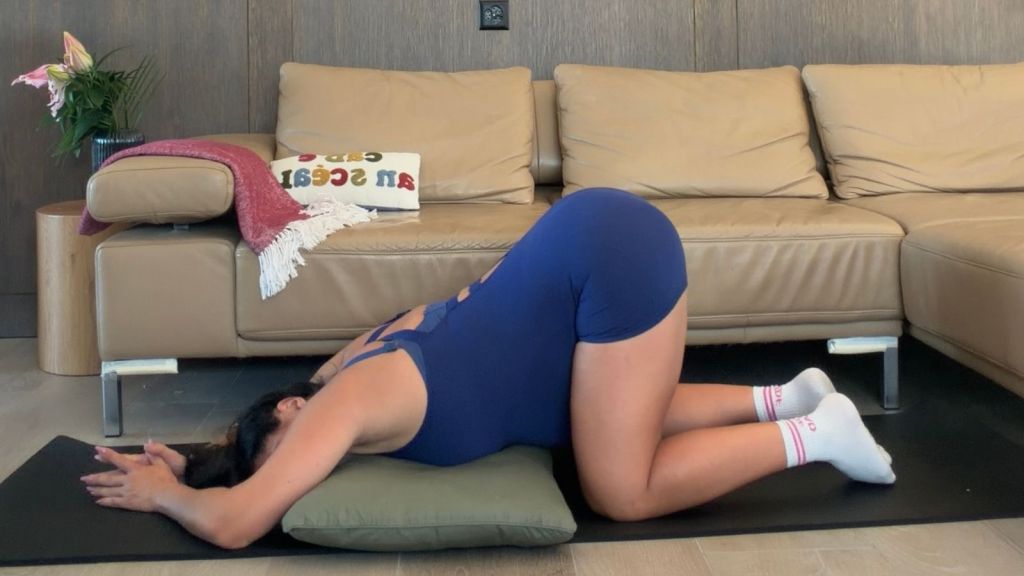
I can not pinpoint the exact moment he flipped. But throughout that week, my belly felt like a construction zone, with weird shapes protruding everywhere. So you can imagine the joy and relief when I went back the following Friday, and the ultrasound confirmed the news: he was back to head down.
Did the Exercises Actually Work?
I don’t know, but doing something helped me feel less helpless.
Many babies turn on their own at this stage, and there is no clear way to separate my exercises from what he would have done anyway. The positioning exercises are designed to create space in the pelvis, not physically push a baby around, and clinical evidence supporting their effectiveness is limited. What I do know is that having a routine gave me a sense of agency in a week where I felt completely out of control, and mentally, that was helpful.
(Note: If you are in a similar position, always clear inversions or specific physical routines with your midwife or OB first.)
What the research says
If you find yourself in the breech boat around weeks 34 to 37, here is what the data actually says:
A large Belgian study followed 2,439 women who had a breech baby at their third trimester scan, around 32 weeks. Between then and 36 to 37 weeks, 65 percent of those babies turned head down on their own. The authors report breech at 6.9 to 10 percent between weeks 32 and 36, dropping to 3 to 5 percent by the time an ECV can be offered around 36 to 37 weeks.
The study identified three main factors that made a spontaneous flip more likely:
- Having given birth before (my category!)
- Being under 25 years old
- Having extra amniotic fluid (my category!)
This study did not measure whether positioning exercises work; it simply proves that a significant majority of babies flip on their own schedule without any medical intervention.
Where I am now
I am now 38 weeks, and he is still head down.
I am doing my best to sit upright on the birth ball instead of slumping into the sofa, which is not easy, and spending a few minutes on hands and knees each day. While I would love to tell you I am still hitting my 8,000 daily steps, these days I celebrate reaching 5,000. Whether these daily habits guarantee he stays put, I do not know. But they keep my body moving and my mind calm.
The Mental Load Nobody Prepares You For
The physical routine was the easy bit. The real challenge was managing the emotional spiral, the endless what ifs about labour layered over unresolved memories from my previous birth.
If you are currently in that spiral: you are not being dramatic. The fear is real, valid, and completely understandable.
What helped me was having one small thing to do, someone to share it with, and permission not to have a plan for every outcome yet.
Sources
Derisbourg S, Lancelle M, Vercoutere A, Boulvain M, Daelemans C. Breech presentation in the third trimester: factors influencing spontaneous cephalic version and delivery outcome differences between spontaneous and non-spontaneous cephalic presentations. J Matern Fetal Neonatal Med. 2026;39(1):2602299. doi:10.1080/14767058.2025.2602299. PMID 41407506.


Leave a Reply